


BACKGROUND
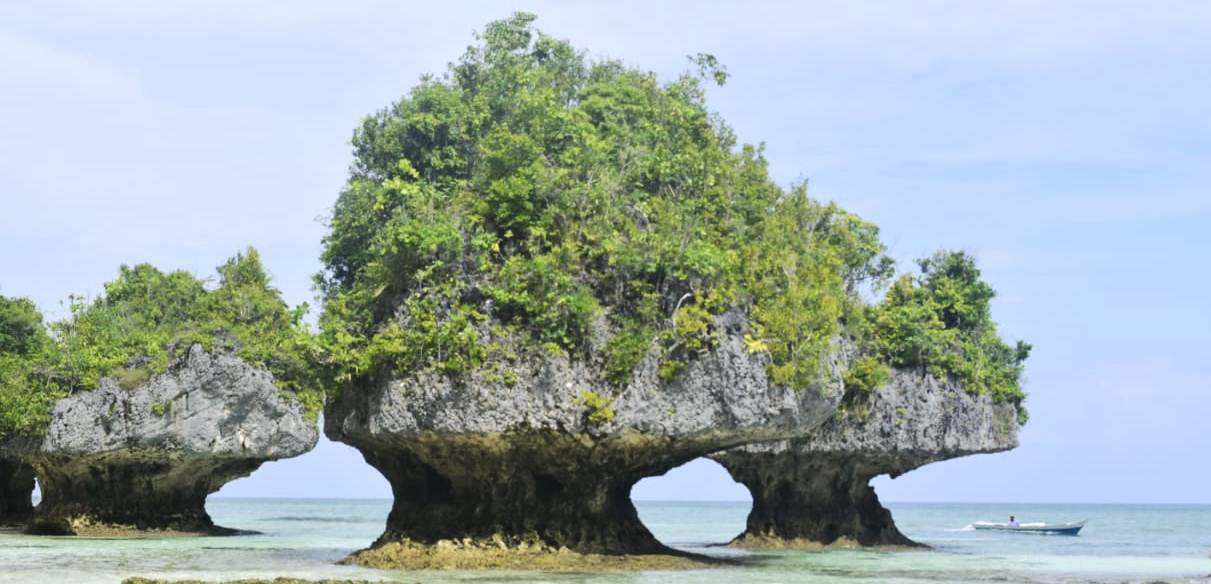
Earth is a living place for enormous species, including human, that has not been completely explored
SCOPE & TOPIC
- Sustainable Agriculture
- Environmental Risk Assessment
- Biodiversity and Biotechnology
- Energy efficiency
- Life Science and Engineering
- Digital Media and Social Culture
- Health Awareness
TRG POSTER
In accordance with the TRG Grant Guidelines and Contract, all TRG Grant Recipients are required to disseminate their project outcomes by participating in the TRG Expo, which will be held in conjunction with the 4th International Conference on Environment and Sustainable Development (ICESD).
Each TRG participant is required to prepare a roll banner with the size of 60 x 160 cm.
The banner content should follow the attached format, but participants are encouraged to be creative in designing their banner to make it visually appealing, informative, and engaging.
THEME OF THIS CONFERENCE
“Artificial Intelligence and Digital Innovation for Sustainable Development”
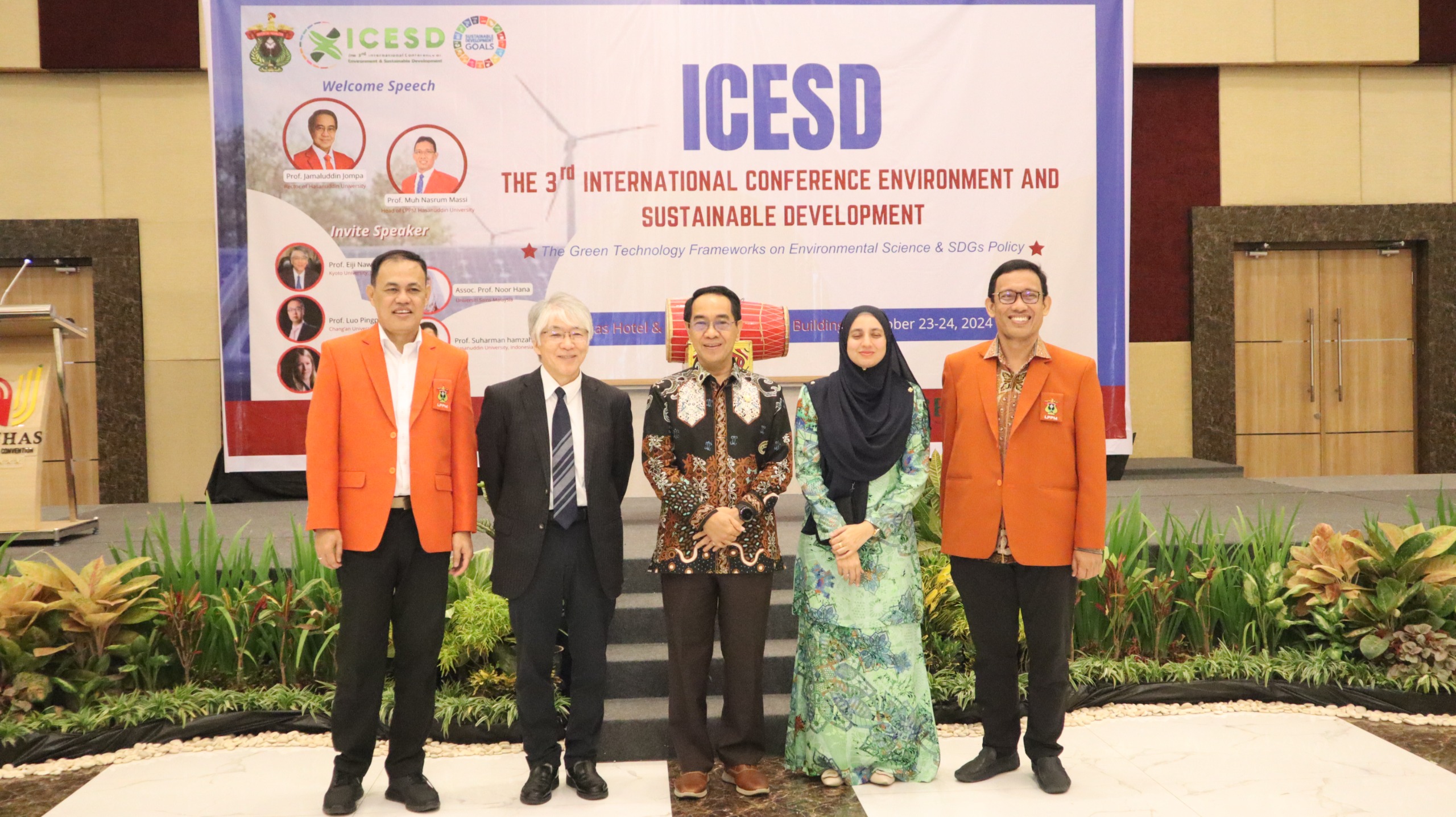
Opening Speech
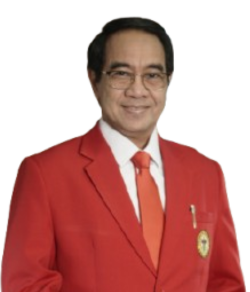
Prof. Jamaluddin Jompa
The current Rector the Hasanuddin University.
Welcome Speech
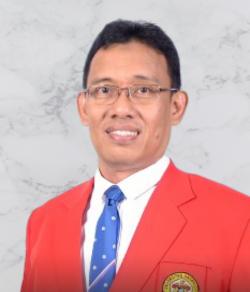
Prof. Muh. Nasrum Massi
Our Invited Speakers

Otto Kullervo Miettinen
Dr. Otto Kullervo Miettinen is a renowned mycologist and curator of fungi at the Finnish Museum of Natural History, University of Helsinki. He earned his PhD in Biosciences (Botany) in 2011 and holds the academic title of Docent in Mycology. Dr. Miettinen’s research focuses on fungal taxonomy, evolution, and the role of fungi in forest ecosystems, particularly wood-decaying fungi.
He has led and participated in numerous international research projects, including grants from the Academy of Finland and the European Union. His impressive body of work includes over 90 peer-reviewed publications and the description of 93 new fungal taxa (including species, genera, and families).
As an experienced educator, Dr. Miettinen has taught field and microscopy courses on polypores and supervised several PhD students worldwide. His research has taken him to forests across Europe, Asia, and the Americas, including multiple expeditions to Indonesia and Southeast Asia.
Dr. Miettinen is a highly respected reviewer for international scientific journals and has served on the boards of the Finnish Museum of Natural History and the Finnish Mycological Society.

Tine Grebenc, P.hD
Tine Grebenc is a senior researcher at the Slovenian Forestry Institute and an expert in forest mycology, ecology, and environmental microbiology. With a PhD in Biology and over two decades of scientific experience, her work bridges fungal biodiversity, soil microbial communities, and sustainable forest management.
She has been actively involved in numerous international research projects, particularly focusing on the role of fungi in forest health and ecosystem functioning. Dr. Grebenc has also contributed to advancing DNA-based identification techniques and the application of mycorrhizal fungi in forestry and ecological restoration.
Known for her interdisciplinary approach and collaborations across Europe and Southeast Asia, Dr. Grebenc combines field expertise with cutting-edge molecular tools to address environmental challenges in forest ecosystems.
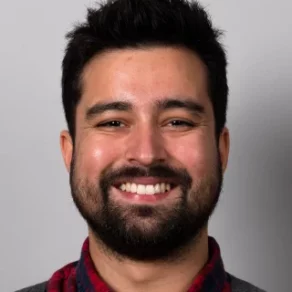
dr. Pablo Ampuero Ruiz, MA
I am Assistant Professor in the Department of Social and Cultural Anthropology, Vrije Universiteit Amsterdam, Visiting Fellow of the International Institute for Asian Studies (IIAS) in Leiden, and Adjunct Researcher in Chile’s Millenium Nucleus on the Impacts of China in Latin America (ICLAC). I practice the disciplines of economic anthropology and global history, and I am currently developing a research agenda exploring the links between finance and transition minerals in the production of a ‘green economy’ between China and South America.
The motivation behind my current concerns on sustainable transitions emerged from my work as a postdoctoral researcher in the ERC Worlds of Lithium. Working closely with the PI, Dr Cristóbal Bonelli, I led the Work Package China, exploring the ongoing socioeconomic and sociotechnical transformations around the production and consumption of ion-lithium battery-powered electromobility.
I did my PhD at the International Max Planck Research School of the Max Planck Institute for Social Anthropology in Germany, and received my doctoral degree (magna cum laude) from the Martin Luther University of Halle-Wittenberg. My dissertation explored the dynamics of solidarity and exclusion between migrant workers in Southern China, emphasising the role of ethnicity, gender, and topographic identities as relevant forms or social differentiation and collaboration.
Besides my current work on green economy transitions, my research has explored diverse aspects of electromobility, migrant labour in China, and Sino-Latin American relations, and I have lectured and researched in several South American, Chinese and European institutions.
I am also a photo-documentalist, with part of my work published by the National Geographic, and host a Spanish-language podcast about the contemporary transformations in East Asia called ‘Todo Bajo el Cielo’.
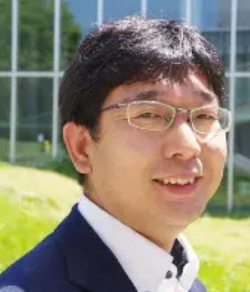
Prof. Masamitsu Onishi
Prof. Masamitsu Onishi is a distinguished researcher at the Disaster Prevention Research Institute, Kyoto University, specializing in disaster risk reduction, national resilience policy, and community-based preparedness in Japan. His work centers on understanding and improving how policies, institutions, and individuals respond to catastrophic disasters—ranging from earthquakes to climate-induced hazards.
Following the 2011 Great East Japan Earthquake, Prof. Onishi has played a key role in shaping Japan’s national resilience strategies, including the Basic Plan for National Resilience. He advocates for “proactive disaster prevention”—investing in preparedness before disasters strike—and explores the balance between self-help, mutual help, and public help in disaster governance.
His research highlights the urgent need to bridge the responsibility gap between government and local communities and to promote inclusive, science-based approaches for disaster resilience. Through practical, community-engaged research, he pushes forward Japan’s efforts to adapt to increasing disaster risks in the era of climate change.

Prof. Madya Ts. Dr. Zul Ilham Bin Zulkiflee Lubes
Assoc. Prof. Ts. Dr. Zul Ilham is a Malaysian expert in biomass science and bioenergy, currently serving as Principal Fellow and Director at the Centre for Science and Environment Studies, IKIM. He holds a PhD from Kyoto University and is a recipient of prestigious awards from the Japan Institute of Energy and the American Oil Chemists’ Society. His research focuses on converting biomass into sustainable energy carriers and feed—supporting Malaysia’s goal of carbon neutrality by 2050.
A Fulbright Malaysian Scholar and certified energy manager, Dr. Zul Ilham is deeply involved in academic publishing and environmental education. He actively engages with youth through energy literacy and climate action initiatives, and collaborates widely through national and international research grants. He has held various leadership roles at Universiti Malaya and is frequently invited as a speaker and visiting scholar around the world.
Dear colleagues, on behalf of the organizer we welcome all of you from abroad and within Indonesia to participate in the ICESD IV 2025
Major Conference sections
Number of participants is limited!
Organized by:
In Collaboration with: